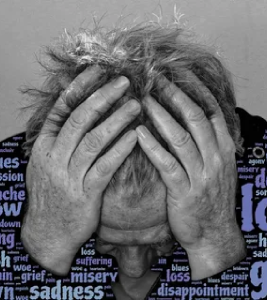

Recovering from a traumatic loss is not a clean, pretty, or inspirational kind of journey. It is complicated. It takes time. There are days when you feel like you are making progress, and then there are days when it feels like everything falls apart again.
Moreover, when the conversation is about children, this back-and-forth can be even more powerful. Kids’ brains are still developing, and they are still trying to figure out the world. Therefore, trauma in children combined with the childhood loss can affect them in a way that their basis is disturbed, and grown-ups sometimes do not realize this.
How Traumatic Loss Really Affects a Child
Sometimes adults think that children “bounce back” quickly. However, the fact is that the coexistence of grief and trauma can lead to traumatic bereavement. That is when their depression becomes mixed with fear. And it reflects in their behavior- dependency, isolation, sudden anger, bed-wetting, sleep difficulties. These signs are not random. They indicate that emotional trauma in childhood is influencing their emotions and reactions.
Some children may even develop childhood PTSD symptoms and perceive the loss as happening again when they are confronted with reminders of the event. It breaks one’s heart and at the same time, it is irritating parents who are doing their best and still going through their own grief.
Recovery Is Not Straightforward (and That’s Okay)
Healing is not a single, big moment. It consists of lots of tiny, uncomfortable, imperfect steps. A child could one day recall the loss and deny it the following day. They could suddenly bring it up during the night or while travelling in a car. That is all part of children’s grief processing– an attempt to come to terms with something their brain could not anticipate.
Bright Flourishing Health often tells the families that these changes should not be seen as failures. They are how children gradually come to terms with loss and grief, little bits at a time because it is simply not possible to take everything in at once.
What Supports Them in Moving On
Having a fixed schedule is beneficial. Playing is helpful. Honest discussions are helpful even if they are awkward. Children do not require the most appropriate words but they do need someone to be there.
Little things matter such as doing nothing but sitting together, letting them ask questions (even if they have asked them a hundred times), giving them time and space when they are overwhelmed. These are the foundational elements of traumatic loss recovery, long before formal therapy even comes into the picture.
Moreover, if a child continues to have difficulties or their reactions are becoming more intense rather than alleviated, parents can always dig deeper into resources like childhood traumatic grief to find help. It is a path to know what is going on under the surface so that you can provide better support. Healing takes time. However, it is doable. And every little step should be acknowledged.