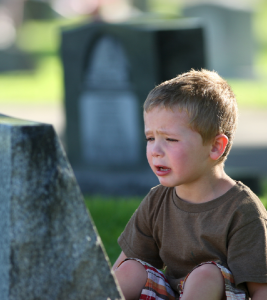

Honestly, it is difficult to support kids who have lost someone. One moment they may be playing and the next they can be crying, angry, or completely withdrawn. This is all normal, it is just how Childhood traumatic grief can manifest itself.
Specialists at Bright Flourishing Health provide assistance to families who are confused by these emotional fluctuations and they reassure them that it is not their fault. Children handle grief and trauma differently from adults and occasionally, it is a bit of a mess and can be quite puzzling.
Recognizing the Signs
Children are not always able to explain that they are in pain, so instead, the pain shows itself in their conduct. One may notice on some occasions that these kids have nightmares, show excessive attachment, sudden bursts of rage, withdrawal or underperform at school. All of these are evidence of a child going through emotional trauma of childhood or childhood PTSD.
Some children revert to the previous stages of development, while others become aggressively dominant. All these are symptoms of trauma in children that can stem from childhood loss. The main point is to acknowledge the patterns and understand that this is the way grief and trauma can be inseparable.
Being There for Them
Which is the most vital thing? Be there. Communicate. Even if they refuse to speak, just being there counts. Embrace, share a bench, allow them to draw, play or talk if they want. Don’t force them to have grown-up-style discussions, they might not have the words yet.
Let them express themselves their way; this is how grief processing children happens. You are not the one who is solving everything. You are only offering a safe place for them to let their feelings out.
Establishing Stability
Yes, routines are beneficial, but life and grief are both not neat stuff. Mornings, nights, school, do your best to keep things normal, but don’t be worried if things aren’t going as planned. Children suffering from traumatic bereavement are given a feeling of security through predictable routines and it also alleviates loss and grief, but it is important to be flexible as well. Expect highs and lows. There are days when everything is alright and days when nothing is.
When to Seek Professional Help
Occasionally, children require more assistance than parents or guardians can provide. Therapy, support groups, or advice from specialists at Bright Flourishing Health can be the solution. They help in recognizing trauma in children, dealing with childhood PTSD, and giving the necessary tools to children for healthy grief processing. Requesting assistance is not a defeat, it is a sign that you care for the child’s emotional well-being and you act accordingly.
Conclusion
Helping bereaved children is far from being easy. It is full of unpredictability, messiness, and sometimes can really wear you out. However, being there, giving them safe means to express themselves, and seeking help when necessary are the main things that make the difference. Bright Flourishing Health supports families through the process of traumatic grief in the childhood and thus, children’s trauma and loss become navigable while they also learn to cope step by step.