Neurostimulation in Southern California
Neurostimulation in Southern California, CA
Introduction
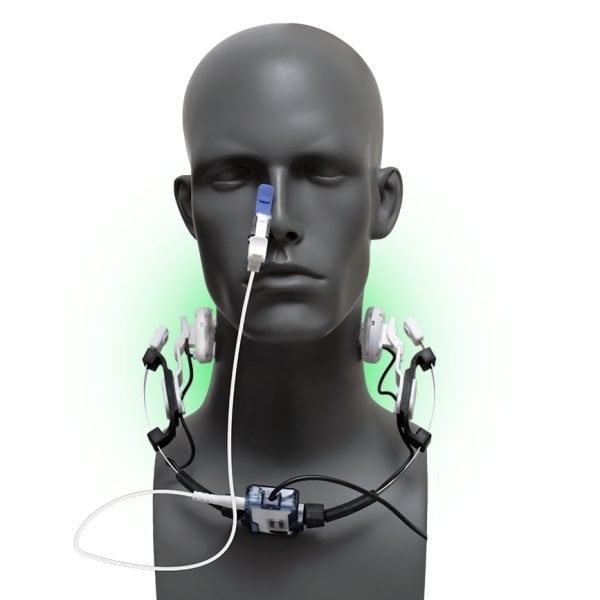
BFHealth provides professional Neurostimulation services in Ventura, CA, combining trauma-informed, reminder-focused, and strength-based approaches for children, adolescents, and adults. Our specialized interventions support mental clarity, emotional balance, and overall cognitive wellness, tailored to each client’s unique needs.
Conditions We Address
Neurostimulation at BFHealth is effective for:
- Anxiety and stress
- Depression and mood disorders
- Trauma, grief, and PTSD
- ADHD and behavioral concerns
- Family and relationship challenges
- Adjustment and life transitions
Our care is personalized to support long-term mental and emotional balance.
Services Offered / Therapy Types
We offer comprehensive Neurostimulation treatments, including:
- Individual therapy
- Child and adolescent therapy
- Trauma-informed approaches
- Reminder-Focused Positive Psychotherapy
- Strength-based interventions
- Cognitive and behavioral methods
- Body-Mind supportive care
Sessions are tailored to meet each client’s specific mental health needs for meaningful outcomes.
Why Choose BFHealth in Southern California
- Trauma-informed, evidence-based care
- Strength-based, resilience-focused approach
- Reminder-Focused Positive Psychiatry integration
- Non-medication options available
- Flexible in-clinic and telehealth sessions
Our expert team delivers compassionate care, helping clients achieve emotional growth and mental clarity.
Local SEO / Coverage Area
BFHealth provides Neurostimulation services for individuals and families throughout Southern California, including Los Angeles, Orange County, Ventura County, and surrounding areas. Telehealth is available for eligible clients statewide.
Call to Action
Begin your journey to improved mental health today. Schedule your Neurostimulation session in Southern California.
FAQs
Q1: Are virtual sessions offered in California?
Yes, telehealth is available depending on licensing.
Q2: Can Neurostimulation be combined with medication?
Yes, both options are available if clinically indicated.
Q3: Is Neurostimulation suitable for children and teens?
Yes, children, adolescents, and adults can receive care.
At Bright Flourishing Health We Promote Healing and Thriving Through Body and Mind Integrated Health Services
Disclaimer : The information and material contained on this website are for general knowledge and informational purposes only. No material on this site is intended to be a substitute for professional medical advice, diagnosis, or treatment. If you or someone you know is experiencing a mental health crisis, suicidal thoughts, or emotional distress, please call or text 988 to reach the Suicide & Crisis Lifeline for immediate support. If you are in immediate danger, call 911 or go to the nearest emergency room.
Services
- Grief-Enhanced Trauma-Informed Evaluations
- Ketamine Therapy
- Neuropsychiatric Evaluations
- Positive Biopsychosocial Evaluations
- Cardiovascular Biomarkers
- Neuromuscular Biomarkers
- Sleep Health Evaluations
- Psychotropic Medication Management
- Psychotherapy
- Reminder-Focused Positive Psychiatry
- Aesthetic Medicine
- Body-Mind Intervention
- Neurostimulation
Information
- (747) 210-0522
- info@bfhealth.org
- 23206 Lyons Ave, Suite 209, Newhall, CA 91321
Opening Hours
- Monday - Saturday ( 09.00 - 21.00 )
- Sunday ( Closed )
Copyright 2025 © All Right Reserved bf-health