Neurostimulation in Newhall, CA
Neurostimulation • Newhall, CA | BFHealth
Neurostimulation in Newhall, CA
Brain Stimulation Therapy That Actually Works
If you’re in Newhall and looking for something different to help with depression or anxiety, you might want to know about neurostimulation. At BFHealth, we use neurostimulation therapy to help people feel better when regular treatments haven’t worked. It’s a way to help your brain work better without needing more medication.
Think of it like this – when your brain isn’t working the way it should, neurostimulation can help reset things. It’s not magic, and it’s not some weird experimental thing. The FDA has cleared it for treating depression, and lots of people in Santa Clarita Valley have found relief through this treatment.
We work with kids, teenagers, and adults who are dealing with tough mental health problems. Our clinic on Lyons Avenue serves families from all over Newhall, Valencia, and surrounding areas. The best part? You don’t have to keep trying different pills that might not work.
What Problems Does Neurostimulation Help With?
People come to our Newhall office for neurostimulation when they’re struggling with different mental health issues. Here’s what we typically treat:
Depression is probably the biggest one. If you’ve tried three or four different antidepressants and nothing’s helping, neurostimulation might be your answer. We see people who’ve been stuck in depression for years finally start feeling better.
Anxiety can make everyday life really hard. When worry takes over and you can’t seem to calm down, brain stimulation therapy helps quiet that constant anxious feeling. People tell us they can finally relax again.
PTSD is tough to deal with. If you’ve been through something traumatic and can’t move past it, we combine neurostimulation with our trauma-informed care to help you heal. The memories don’t disappear, but they stop controlling your life.
ADHD makes focusing really difficult. For kids and adults who can’t concentrate or sit still, neurostimulation can help their brain organize better. Parents notice their kids doing better in school. Adults find they can finally finish projects at work.
OCD thoughts that won’t stop, behaviors you can’t control – neurostimulation targets the part of your brain that gets stuck on these patterns. It’s like helping your brain learn to let go.
How Does Brain Stimulation Actually Work?
Okay, so here’s the simple version of what happens. Your brain runs on electricity – that’s how your brain cells talk to each other. When you have depression or anxiety, certain parts of your brain aren’t as active as they should be. Other parts might be too active.
Neurostimulation uses magnetic pulses (that’s TMS) or gentle electrical signals to wake up the sleepy parts and calm down the overactive parts. It’s completely safe and doesn’t hurt. You’re awake the whole time.
Most people sit in a comfortable chair while we position the device on their head. The session lasts about 20 to 40 minutes. You can listen to music, read, or just relax. Some people say they feel a light tapping sensation, but it’s not painful.
The treatment works gradually. You come in five days a week for about a month. Around week two or three, most people start noticing they feel different – like the heavy cloud is lifting, or they’re not as anxious all the time.
Different Types of Neurostimulation We Offer
We use a few different types of brain stimulation at our Newhall clinic. Which one you get depends on what you’re dealing with.
TMS (Transcranial Magnetic Stimulation) is what most people get for depression. A magnetic coil sits against your scalp and sends pulses into your brain. It targets the left prefrontal cortex – that’s the area involved in mood. The FDA approved TMS back in 2008, so it’s been around for a while.
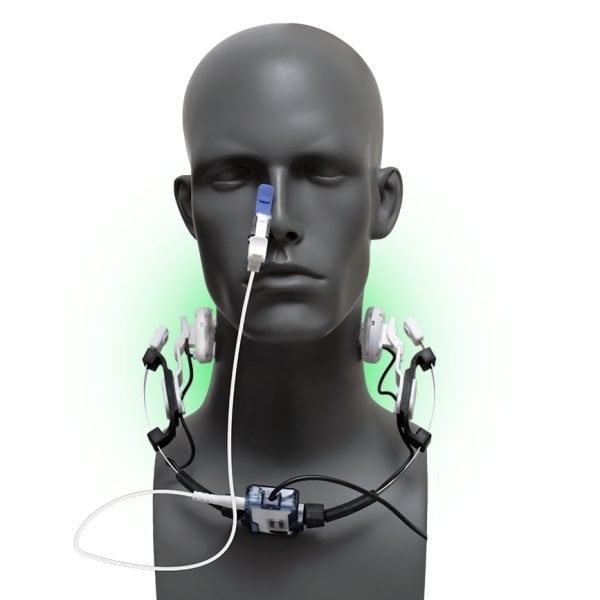
VNS (Vagus Nerve Stimulation) works a bit differently. It stimulates the vagus nerve, which runs from your brain down through your body. This nerve affects mood, stress response, and lots of other things. VNS can help with depression that hasn’t responded to anything else.
tDCS (Transcranial Direct Current Stimulation) uses very low electrical current. It’s gentler than TMS and works well for some people. We might use this for anxiety or to help with thinking problems.
What We Offer Besides Neurostimulation
Brain stimulation works better when you combine it with other support. That’s why we offer therapy alongside your neurostimulation treatments. Here’s what that looks like:
Regular therapy sessions help you work through what you’re feeling. Our therapists use reminder-focused positive psychiatry, which means we help you remember and build on the good things in your life, not just focus on problems.
If you’re dealing with trauma, we use special approaches that won’t re-traumatize you. Body-mind therapy recognizes that trauma lives in your body too, not just your thoughts.
For kids and teens, we adjust everything to be age-appropriate. Teenagers need different support than adults do. We get that.
Some people want to reduce their medications. We work with your regular doctor to see if that’s possible as the neurostimulation starts helping. Never stop medications on your own though – that can be dangerous.
Why People in Newhall Choose Us
Look, there are other places doing neurostimulation in Southern California. So why do people drive to Newhall to see us?
First, we actually care. That sounds basic, but you’d be surprised. We remember your name, we ask how your week went, and we adjust your treatment based on how you’re really doing – not just what a chart says.
Second, our equipment is modern. We use FDA-cleared devices that are well-maintained. Safety matters a lot to us.
Third, we don’t push medications if you don’t want them. Some doctors hear “treatment-resistant depression” and just want to add another pill. We offer real alternatives.
Fourth, we’re flexible. Got a job? We have early morning and evening appointments. Hard to get to our office? We can do therapy sessions via telehealth (though the actual brain stimulation has to be in person for safety).
Fifth, we speak your language. Not fancy medical jargon – real explanations that make sense. If something’s not working, we’ll tell you straight and adjust the plan.
What Actually Happens at Your Appointments
Your first visit is just talking. We want to understand what you’ve been through, what treatments you’ve tried, and what you’re hoping will change. This takes about an hour. We’ll also make sure neurostimulation is safe for you – there are a few medical conditions where we can’t do it.
If we all agree it’s worth trying, we’ll schedule your first treatment. Before your first session, we do some measurements to map your brain and figure out exactly where to target the stimulation.
During treatment, you sit in our comfy chair. We position the device, and you just relax. Bring headphones if you want to listen to something. The session itself is 20-40 minutes depending on the protocol.
After each session, you can drive yourself home – no grogginess or anything like that. Some people go straight back to work.
We check in with you regularly to see how things are going. If you’re not improving as expected, we can adjust the intensity or location of stimulation. Everyone’s brain is different.
Who We Help in the Santa Clarita Valley
Our Newhall office is right on Lyons Avenue, easy to find. We see people from all over this area:
Families from Santa Clarita drive over because we’re known for working with teens who have depression. Parents bring their kids after trying therapy and medication without much success.
People in Valencia appreciate that we’re close but not in LA. The drive’s easier and parking doesn’t cost a fortune.
Canyon Country residents come here because we’re the nearest place offering this kind of advanced treatment. You don’t have to go all the way to downtown LA.
Castaic and Stevenson Ranch folks tell us they picked us because we’re experienced but still have that small-town feel where everyone knows you.
We also see clients from all over California via telehealth for the therapy part. The neurostimulation itself has to be done here in person, but we can do check-ins and therapy sessions online if you live far away.
Ready to try something that might actually help? Call us at (747) 210-0522 or book online. First consultation is just talking – no commitment, no pressure.
Questions People Usually Ask
Does neurostimulation hurt?
No, it doesn’t hurt. Most people feel a light tapping or tingling where the device touches your head. Some people get a mild headache after the first few sessions, but that usually goes away. It’s not painful like getting a shot or anything.
Can I do telehealth for the whole thing?
Not for the actual brain stimulation – that has to be done in our office for safety. But we can do your initial consultation online, and therapy sessions between treatments can be virtual if that works better for you.
Will I need to take medication too?
Maybe, maybe not. Some people do neurostimulation while staying on their current medications. Others use it to reduce or stop medications (always with doctor supervision). We’ll figure out what makes sense for your situation.
Do you work with kids?
Yes, we treat adolescents and adults. For younger teens (like 13-15), we need parent involvement and we’re extra careful. Most of our teen patients are doing TMS for depression that hasn’t gotten better with regular treatment.
How fast does it work?
That varies. Some people feel different after a week. Most people notice changes around week 2 or 3. A few people need the full 4-6 weeks to feel the benefits. If nothing’s changing by week 3, we’ll probably adjust something.
Does insurance pay for this?
Many insurance plans now cover TMS for depression. Coverage varies a lot by plan, so call your insurance company and ask specifically about “TMS for treatment-resistant depression.” Our office can help with paperwork. We also have payment plans if you’re paying yourself.
What if I have metal in my head or a medical device?
That might be a problem, depending on what it is. Definitely tell us about any metal implants, pacemakers, or medical devices during your first visit. Some are fine, others mean we can’t do magnetic stimulation safely.
Can it make things worse?
That’s really rare. The most common side effects are temporary headaches or scalp discomfort. Serious side effects are extremely uncommon. We monitor you carefully to catch any problems early.
What happens after I finish treatment?
Most people feel better for months after finishing. Some people need “maintenance” sessions every few months to keep feeling good. We’ll create a plan based on how you respond. Many people come back for a tune-up session if they start noticing symptoms creeping back.
Other Treatments Available at BFHealth
Neurostimulation is just one thing we offer. Depending on what you’re dealing with, you might also be interested in:
Ketamine therapy – Another option for severe depression that works really fast, sometimes within hours.
Regular therapy – Sometimes talking through things with a good therapist is exactly what you need.
Medication management – If you need medication, we can help find the right one and adjust doses.
Full evaluations – Not sure what’s wrong? A complete assessment helps figure out what’s really going on.
At Bright Flourishing Health We Promote Healing and Thriving Through Body and Mind Integrated Health Services
Disclaimer : The information and material contained on this website are for general knowledge and informational purposes only. No material on this site is intended to be a substitute for professional medical advice, diagnosis, or treatment. If you or someone you know is experiencing a mental health crisis, suicidal thoughts, or emotional distress, please call or text 988 to reach the Suicide & Crisis Lifeline for immediate support. If you are in immediate danger, call 911 or go to the nearest emergency room.
Services
- Grief-Enhanced Trauma-Informed Evaluations
- Ketamine Therapy
- Neuropsychiatric Evaluations
- Positive Biopsychosocial Evaluations
- Cardiovascular Biomarkers
- Neuromuscular Biomarkers
- Sleep Health Evaluations
- Psychotropic Medication Management
- Psychotherapy
- Reminder-Focused Positive Psychiatry
- Aesthetic Medicine
- Body-Mind Intervention
- Neurostimulation
Information
- (747) 210-0522
- info@bfhealth.org
- 23206 Lyons Ave, Suite 209, Newhall, CA 91321
Opening Hours
- Monday - Saturday ( 09.00 - 21.00 )
- Sunday ( Closed )
Copyright 2025 © All Right Reserved bf-health