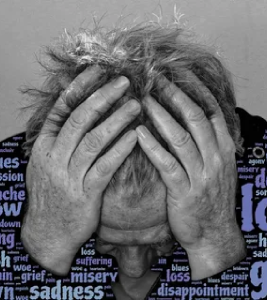
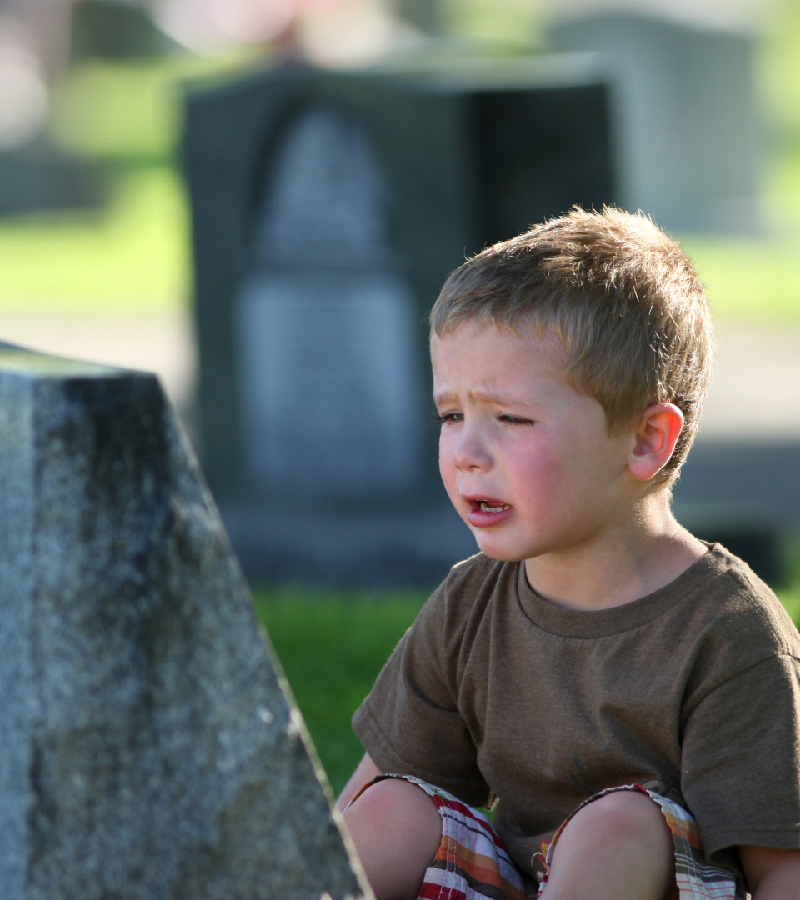
Grieving kids are really difficult. In one moment they can be laughing and playing, and then crying or even throwing a tantrum for no obvious reason. Also, grief in children’s signs can sometimes be so ambiguous that one may feel unsure or even guilty.
It doesn’t really matter if these are traumatic behaviours or not, the point is that all these behaviours are connected with childhood traumatic grief. At Bright Flourishing Health we help the family to recognize that these behaviours belong to traumatic grief of childhood and don’t indicate bad parenting or lack of strength.
How Grief Shows Up
Since children are not always equipped with the words to explain their emotions, they show grief in different ways. Here are some of those: Being more clingy than usual, getting angry, having nightmares, withdrawing, changing eating habits or sleep patterns. These may be signs of grief in children which haven’t been recognized yet.
Also, some children may have difficulties at school while others revert to the behaviours that they have outgrown. Sometimes it’s very obvious and sometimes it’s not. In any case, it is a form of emotional trauma during childhood which can be linked with childhood PTSD especially when the loss was sudden or violent.
It really is a puzzle. Sometimes you can encounter a kid who is full of joy, and in the next moment, he or she is having a breakdown. And you ask yourself, “Did I miss something?” The answer is that most of the time it is not about you, but about them dealing with the huge emotional event. Traumatic bereavement can make usual grief more serious, and understanding the signs early is beneficial for grief processing children.
Understanding Behavioural Changes
Some children may become aggressive, others may become withdrawn. A few may become extremely clingy and fearful. And sometimes there is no pattern which can be quite frustrating. This might be the reason why caregivers often feel lost and overwhelmed.
Keep in mind, these are just the ways in which children handle trauma. It’s disorderly, unpredictable, and very much human. If you try to impose the “normal” way of behaviour on them, it may not work and thus, grieving will be even more difficult.
How to Support Them
There isn’t a definite answer, but the closest one would be patience, presence, and non-judgmental listening. Be it talking, drawing, playing, or even silence, give affirmation and support to their way of expression.
Allow the kids to follow their own pace, but routines can still be set. Bright Flourishing Health has been helping families with traumatic childhood grief, identifying grief in children signs, supporting coping skills and guiding children through grief and trauma in a comforting and understanding manner.
Conclusion
Grief in kids is not a well-organized thing. The world is in such disarray that it causes total disorientation and, at the same time, wears one out to the utmost for quite long periods of time. Yet, if one sees the grieving signs in children, allows them to experience the feeling, and supports them, it can really make a great impact. Bright Flourishing Health through this unforeseen voyage is like a helping hand to both the children and their caregivers who get the trauma of childhood loss and need understanding and trustworthy guidance.