Neurostimulation in Santa Clarita, CA
Neurostimulation in Santa Clarita, CA
Brain Therapy Without Medication
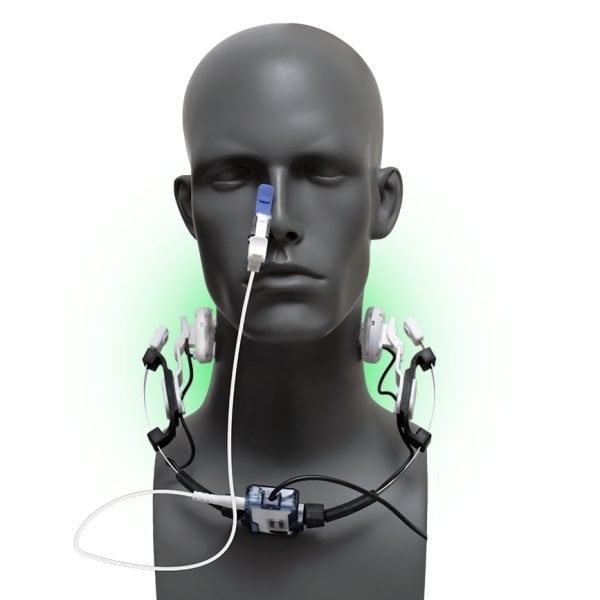
What if you could treat depression without another pill? That’s what neurostimulation offers at BFHealth in Santa Clarita. It uses magnetic pulses or gentle electrical signals to help your brain work better. No medication side effects, no waiting weeks to see if something works, no trying endless pills that might not help.
Neurostimulation targets specific parts of your brain that aren’t working right when you have depression or anxiety. Think of it like a reset button for those areas. The FDA has cleared it for treating depression, and lots of people in Santa Clarita Valley are finding relief when regular treatments haven’t worked.
We work with teens and adults from Valencia, Newhall, Saugus, Canyon Country, and surrounding areas. If you’re tired of medication roulette or you want to avoid medications altogether, this might be your answer.
Problems Neurostimulation Can Help
People come to our Santa Clarita clinic for neurostimulation when they’re dealing with specific mental health issues that haven’t gotten better with regular treatment:
Treatment-resistant depression is the big one. You’ve tried three or four different antidepressants and nothing’s really worked, or the side effects were unbearable. TMS (a type of neurostimulation) is actually FDA-approved specifically for this.
Major depression that keeps dragging you down. Even if you haven’t tried tons of medications yet, if your depression is severe and affecting your life significantly, neurostimulation might be an option.
Anxiety that won’t quit. While TMS is primarily approved for depression, research shows it helps with anxiety too, especially generalized anxiety disorder and panic disorder.
PTSD makes your brain stay stuck in threat mode. Certain types of neurostimulation can help calm that overactive threat response. We combine this with trauma therapy for better results.
OCD thoughts that won’t stop. When you can’t get intrusive thoughts out of your head or you’re stuck doing compulsive behaviors, neurostimulation can target the brain circuits involved in OCD.
ADHD focus problems sometimes respond to neurostimulation. It’s not a first-line treatment for ADHD, but when medication isn’t working or isn’t an option, it’s worth considering.
Different Types of Brain Stimulation
There are a few types of neurostimulation. Which one you get depends on what you’re dealing with:
TMS (Transcranial Magnetic Stimulation) is the most common one for depression. A magnetic coil sits against your head and sends pulses into your brain. You don’t feel much – maybe a tapping sensation on your scalp. Sessions take about 20-30 minutes. You do it five days a week for 4-6 weeks usually.
The magnetic pulses target your left prefrontal cortex – that’s the area of your brain involved in mood regulation. In people with depression, this area tends to be underactive. TMS wakes it up.
VNS (Vagus Nerve Stimulation) works differently. It stimulates the vagus nerve that runs from your brain through your body. This affects mood, stress response, digestion, heart rate – all kinds of things. It’s been used for years for epilepsy and more recently for depression.
tDCS (Transcranial Direct Current Stimulation) uses very low electrical current instead of magnets. It’s gentler than TMS. Some people respond better to this. It can help with depression, anxiety, and thinking problems.
What Actually Happens During Treatment
Wondering what it’s really like to get brain stimulation? Here’s the honest picture:
First visit is evaluation. We need to know your mental health history, what treatments you’ve tried, current medications, and physical health. Not everyone can have neurostimulation safely – certain medical conditions rule it out.
If you’re a good candidate, we do brain mapping before your first treatment. This helps us figure out exactly where to target the stimulation. Everyone’s brain is slightly different, so we customize the placement.
On treatment days, you sit in a comfortable chair. For TMS, we position the magnetic coil against your head. You stay awake the whole time. Most people read, listen to music, or just relax. The session itself is 20-40 minutes depending on the protocol.
What does it feel like? With TMS, you feel tapping or knocking on your scalp where the coil is. It’s not painful, just a bit odd at first. Some people get mild headaches after early sessions. That usually goes away as you get used to it.
You can drive yourself home and go about your day. There’s no recovery time needed. Some people go back to work right after. No grogginess, no weird effects.
The treatment course is usually 4-6 weeks, five days per week. That sounds like a lot, but each appointment is quick. Most people start feeling different around week 2 or 3. By the end of treatment, many people feel significantly better.
Why We Combine Therapy With Brain Stimulation
Neurostimulation works better when you’re also doing therapy. The brain stimulation creates changes in your brain, but therapy helps you build on those changes. Here’s what we offer alongside neurostimulation:
Regular therapy sessions help you work through what you’re dealing with. As the depression lifts, you might need to process feelings that were buried. Or figure out how to live differently now that you feel better.
Reminder-focused positive psychiatry helps you remember and strengthen positive experiences. When your brain is working better, it’s easier to notice and hold onto good moments.
Cognitive behavioral work gives you tools to maintain progress. Depression might improve with neurostimulation, but you still need skills to handle stress, negative thoughts, and life challenges.
Body-mind approaches recognize that mental health affects your whole body. Getting sleep right, moving regularly, eating decently – all that supports the brain changes neurostimulation creates.
Why Santa Clarita Residents Choose Us
You could go to LA or Pasadena for neurostimulation. Here’s why people stay local and come to BFHealth:
We’re mental health specialists who happen to offer neurostimulation. Some places are neurostimulation clinics run by people without deep psychiatry experience. We understand depression and anxiety from years of practice. The brain stimulation is just one tool we use.
Location makes treatment doable. Coming five days a week for a month is a lot easier when you don’t have to drive an hour each way through LA traffic. We’re right here in Santa Clarita, easy access from anywhere in the valley.
We’re honest about who will benefit. Not everyone responds to neurostimulation. We won’t take your money if we don’t think it’ll help you. Some clinics are less selective because they’re profit-focused. We care about results.
Integration with other treatments matters. If you’re working with another psychiatrist or therapist, we coordinate care. If you want to reduce medications after successful neurostimulation, we help with that transition carefully.
Flexible support helps. Initial consultations can be telehealth. Therapy between neurostimulation sessions can be virtual if that’s easier. The actual brain stimulation has to be in person, but we make the rest convenient.
What Your Experience Looks Like
Here’s the realistic timeline if you decide to try neurostimulation:
Week one is assessment and setup. We evaluate whether you’re a good candidate, do brain mapping, get insurance authorization if needed. Your first actual treatment session happens once all that’s done.
Weeks 1-2 of treatment, you’re getting used to the process. You come in daily Monday through Friday. Sessions are quick. You might not feel different yet – that’s normal. Some people get mild headaches or scalp soreness. That usually improves.
Weeks 3-4, most people start noticing changes. Maybe you’re sleeping better. Or you have slightly more energy. Or the constant negative thoughts aren’t quite as loud. Small shifts that add up.
Weeks 5-6, improvements often become more obvious. You might realize you haven’t felt this okay in months or years. Not everyone has dramatic changes, but most people feel meaningfully better if they’re going to respond to treatment.
After the initial course, we assess how much you improved. Some people are done – they feel great and stay that way. Others benefit from maintenance sessions every few weeks or months. We create a plan based on your response.
Who We See From Around Here
Our Santa Clarita clinic serves people from throughout the area:
Professionals from Valencia who can’t afford weeks of side effects from new medications. They need to function at work while getting treated.
Parents from Newhall who’ve been on antidepressants for years and want to try getting off them. Neurostimulation can sometimes help people reduce or stop medications.
College students from College of the Canyons dealing with depression that’s affecting school. They’re trying to avoid medications because of side effect concerns.
People throughout Saugus and Canyon Country who tried medications and either didn’t respond or couldn’t tolerate side effects. Neurostimulation offers an alternative.
Healthcare workers and teachers dealing with burnout that’s turned into clinical depression. They need treatment that won’t make them foggy or affect their ability to work.
We also see clients from Palmdale, Lancaster, and Santa Barbara who travel to Santa Clarita specifically for neurostimulation because we combine it with quality mental health care.
Curious if this might help you? Call (747) 210-0522 or schedule a consultation. We’ll evaluate your situation honestly and tell you whether we think neurostimulation would benefit you.
Questions People Ask Us
Does it hurt?
No. TMS feels like tapping on your scalp. It’s not painful. Some people find it slightly uncomfortable at first, but most get used to it quickly. The headaches some people get afterward are usually mild and go away after the first week or two.
Is it safe?
Yes, when done properly. TMS is FDA-cleared and has been used since 2008. The most common side effects are headache and scalp discomfort. Seizures are extremely rare (less than 0.1% of people). We screen carefully to avoid anyone at higher risk.
Can I do telehealth?
Not for the actual neurostimulation – that must be done in person at our clinic. But we can do your initial consultation virtually, and therapy sessions between treatments can be telehealth if you prefer.
Will insurance cover it?
Many insurance plans now cover TMS for treatment-resistant depression. Coverage varies, so we verify your benefits before starting. We can also discuss self-pay options if insurance doesn’t cover it or you prefer not to use insurance.
How is this different from ECT (electroshock)?
Very different. ECT uses electricity to cause a seizure while you’re under anesthesia. TMS uses magnetic pulses on specific brain areas while you’re awake. No seizures, no anesthesia, no memory problems. You can drive yourself to and from appointments.
Can teenagers get neurostimulation?
Yes, though we’re selective. For adolescents with severe depression who haven’t responded to other treatments, TMS can be appropriate. We require thorough evaluation and parent involvement. Age 16+ is more common than younger teens.
How long do results last?
Varies by person. Some people feel better for many months after treatment. Others notice symptoms creeping back after a few months and come in for maintenance sessions. We monitor your progress and adjust the plan accordingly.
What if I have metal in my head or a medical device?
That might be an issue, depending on what it is and where. Definitely tell us about any implants, pacemakers, or metal objects during evaluation. Some are fine, others mean TMS isn’t safe for you.
Can I stay on my medications?
Usually yes. Most people continue their current medications during neurostimulation treatment. Afterward, if you’ve improved significantly, we can work with your doctor about possibly reducing medications. Never change medications without medical guidance.
Other Options We Offer
Neurostimulation is one approach. Depending on your situation, you might also consider:
Ketamine therapy for severe depression, especially if you need faster relief than neurostimulation provides.
Intensive therapy if medication or brain stimulation isn’t what you need right now.
Medication optimization to make sure you’ve truly tried adequate medication trials before pursuing neurostimulation.
Complete evaluation if you’re not sure what’s really going on and need thorough assessment first.
Find us at 23206 Lyons Ave, Suite 209, Newhall, CA 91321. We serve all of Santa Clarita Valley. Open Monday through Saturday, 9 AM to 9 PM.
At Bright Flourishing Health We Promote Healing and Thriving Through Body and Mind Integrated Health Services
Disclaimer : The information and material contained on this website are for general knowledge and informational purposes only. No material on this site is intended to be a substitute for professional medical advice, diagnosis, or treatment. If you or someone you know is experiencing a mental health crisis, suicidal thoughts, or emotional distress, please call or text 988 to reach the Suicide & Crisis Lifeline for immediate support. If you are in immediate danger, call 911 or go to the nearest emergency room.
Services
- Grief-Enhanced Trauma-Informed Evaluations
- Ketamine Therapy
- Neuropsychiatric Evaluations
- Positive Biopsychosocial Evaluations
- Cardiovascular Biomarkers
- Neuromuscular Biomarkers
- Sleep Health Evaluations
- Psychotropic Medication Management
- Psychotherapy
- Reminder-Focused Positive Psychiatry
- Aesthetic Medicine
- Body-Mind Intervention
- Neurostimulation
Information
- (747) 210-0522
- info@bfhealth.org
- 23206 Lyons Ave, Suite 209, Newhall, CA 91321
Opening Hours
- Monday - Saturday ( 09.00 - 21.00 )
- Sunday ( Closed )
Copyright 2025 © All Right Reserved bf-health