
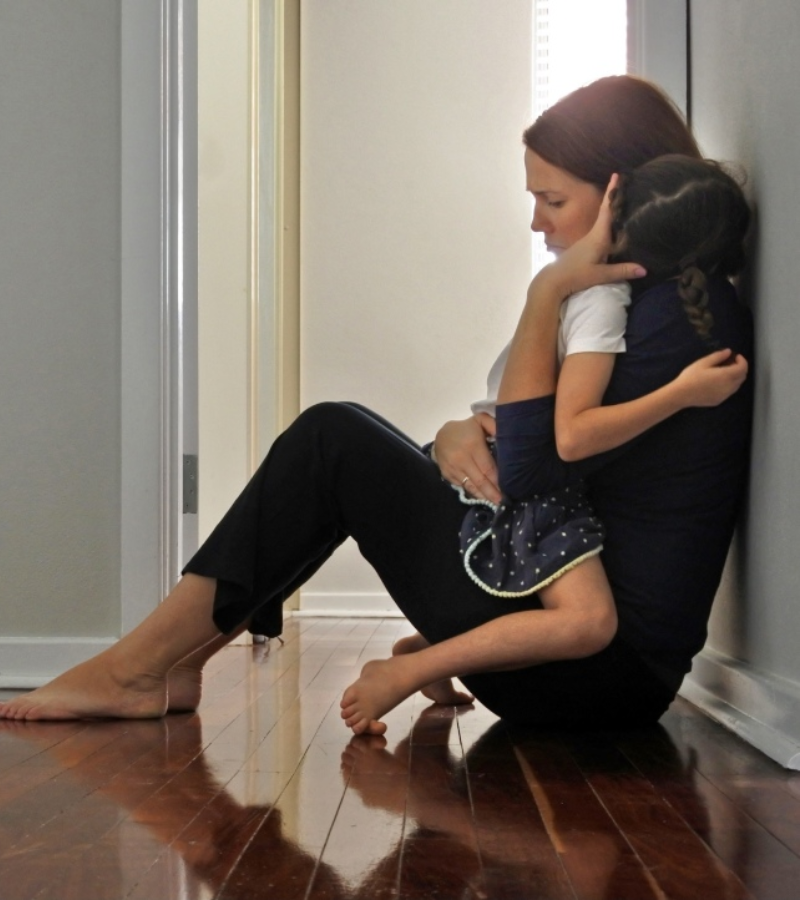
Childhood should ideally be a safe, fun, and exploratory time. In the unfortunate case, a child experiences trauma, it shatters their entire world. Often, childhood trauma effects can remain hidden for long, and such reactions as mood changes, aggression, withdrawal, or nightmares are the most frequent ways of showing them.
Bright Flourishing Health joins forces with families in the quest of finding out the root cause of the behaviors of a child who appears to be different after a loss or an incident that brought distress. Traumatic childhood grief is the term that explains the combination of the normal grieving process and trauma complications.
Emotional and Behavioral Changes
Unpredictable are the ways in which trauma can influence children and that is why no one knows for sure. There are children who become very dependent on the adults around them, others, to gain attention, do things that are against the rules while some may revert to a past stage of development and behave in a way that they have previously outgrown.
Avoiding the socializing and, at times, even suffering silently, they enter the struggle with mental health together with the interaction of the trauma and grief. This is how trauma in children leads to the interaction of grief and trauma.
In many cases, the bursts of anger, being easily provoked, and the feeling of sadness are the emotions that children cope with, and they do not have the language to describe them. Recognition of these signs is a stepping stone towards effective grief processing for children.
Mental Health Implications
Without intervention, childhood trauma might result in serious consequences like childhood PTSD. On the list of the symptoms are sleep issues, intruding memories, and anxiety, to name a few. The effects of emotional trauma in childhood can also get worse with confusion and loss as this can be particularly the case for traumatic bereavement.
Prevention of long-term problems through taking care of the issues at hand and regaining a sense of security by children can be realized through support provided by family, educators, and professionals in the early stages of the trauma.
How to Support a Child
Patience and being present are the keys to helping a child cope with trauma and grief. While it is true that stability can be maintained through routines, the most important quality here is still flexibility. There really are no limits or barriers to the ways children can express themselves, be it through talking, drawing, or even playing.
Bright Flourishing Health is the place where we offer guidance to families going through childhood traumatic grief, pointing out the trauma and emotional development support and encouraging healthy coping strategies. It’s not about fixing everything instantly; it’s about giving the child tools to process their experiences safely.
Conclusion
The traumatic experience of children is a complex issue, and somehow, the problem becomes even more complicated as the two, trauma and grief, are deeply intertwined. Being well aware and knowledgeable about emotional trauma in children as well as being able to recognize the symptoms of loss and grief are only a few of the things that will help caregivers be on the right path in giving the appropriate responses.
Bright Flourishing Health is always ready and willing to lend a helping hand to families in the tough battle against traumatic childhood grief, guiding the young generation in the journey to understand the trauma, cope with the loss, and restore their mental equilibrium progressively.