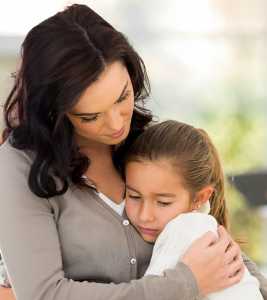

Losing someone close is tough by itself, yet if the passing was unexpected, scary, or brutal, grief might feel crushing, tangled, messy. Spotting signs of traumatic grief symptoms matters so people can handle their emotions, thoughts, and reactions in healthier ways. Over at Bright Flourishing Health, we support folks and loved ones unpack what they’re going through, pointing them to useful help that fits their path.
Traumatic grief isn’t just regular sadness. It’s when loss mixes with shock, bringing strong pain, constant troubling memories, shut-down feelings, or ongoing worry. While normal mourning usually softens over weeks or months, this kind sticks around – messing up daily life unless it gets attention.
Traumatic Grief in Adults
Adults facing deep traumatic grief often can’t say whether it’s the loss itself that hurts or the way the person passed. Common reactions? A constant ache for them, low moods that stick around, focus falling apart, restless nights – on top of looping memories of the death scene now and then.
Some folks struggle handling feelings like guilt or blaming themselves – particularly after a sudden loss or if things had gone differently. Pushing through tough emotions often leads to pulling away from others, since dealing with pain can feel overwhelming. If this goes on past the normal grieving period, it might become something more serious, like lasting grief issues or trauma-related sorrow needing expert support.
Folks might also show sudden grief after a loss – think panic episodes, intense dread, or body signals such as fatigue and shifts in eating habits. Catching these clues fast matters, because otherwise regular sorrow could shift into something heavier: mixed trauma and lasting sadness marked by ongoing distress plus unresolved grieving.
Traumatic Grief in Children
Kids often handle deep sadness and traumatic grief differently than adults since their brains are still growing. When upset, they might misbehave, avoid others, or return to things like wetting the bed. Nightmares can pop up, along with staying close to parents, feeling irritable, or zoning out during class or playtime. Rather than share emotions, some mention stomachaches or constant head pains, physical hints of emotional stress.
If kids don’t get support, they might develop childhood PTSD where unresolved trauma piles up with deep emotional pain. Fixing issues early helps them feel steady inside and stay mentally healthier later on.
Signs of Complicated Grief
Not every person reacts the same way after a painful experience. Sometimes, symptoms of complicated grief turn into something deeper that doesn’t fade with time. Feelings like endless sorrow or numbness might stick around. Staying away from things tied to the loss is common. Getting back to normal routines feels hard, if not impossible. Moods can shift without warning – up one minute, down the next. Thoughts about how someone died keep coming, even when unwanted. When pain mixes with lingering shock, experts call it post-traumatic grief syndrome.
At Bright Flourishing Health, we look closely at these feelings, figuring out what’s typical sadness versus when it might be time to get help. Getting this right means treatments actually work, so people can manage their moods better and handle everyday life without getting stuck.
Traumatic Grief After Sudden Loss
Sudden tragedies, car crashes, suicides, or abrupt sicknesses, heavily deepen sadness and traumatic grief. Losing someone without warning often brings signs of traumatic grief such as grief, numbness, confusion, along with intense powerlessness. People might feel constant dread, flashbacks popping up out of nowhere, or staying tense all the time; this piles extra weight on grieving. When left unchecked, such struggles could shift into lasting emotional scars like prolonged grief disorder symptoms or traumatic grief disorder, one reason why quick help and counseling matter right away.
Some grown-ups might have acute grief reactions, like panic, strong fear, or body signs like tiredness and shifts in eating. Spotting these signs fast matters a lot so sorrow doesn’t turn into complex PTSD and grief mixed with lasting loss.
When to Seek Help
Noticing signs of deep traumatic grief early can prevent ongoing emotional issues. If sadness stops daily activities, handling emotions, or building relationships after a while, getting professional care makes sense. Counseling may include adjusting thinking patterns, sharing personal experiences, or techniques informed by trauma knowledge, each designed to separate anguish from loss and process feelings without harm. At Bright Flourishing Health, customized help is available for adults along with children, so healing feels complete and suited to individual needs.
Conclusion
Finding painful and traumatic grief symptoms lets folks notice it in themselves or others around them. When caught early, alongside patience and solid help, it becomes less overwhelming, restoring a sense of calm. Bright Flourishing Health gives down-to-earth guidance, hands-on strategies, useful resources, helping both children and adults from all walks of life heal through heavy sorrow without freezing up.